


A framework for play
Play is more than just fun
It’s where children grow, explore and connect. Ecology of Play helps create spaces that empower children and celebrate their potential — with something for every child to grow with.
Three core principles
The Ecology of Play framework is built on observation, diversity and resilience.
Observation
Noticing how the environment activates and supports a child’s inquiry.
Diversity
Ensuring there’s something for every child, sparking creativity through inclusion.
Resilience
Spaces that grow and adapt, just like the kids who play in them.
“What kids may have had in a whole forest, they’ve actually got in this small space.”
Frequently asked questions
What is Ecology of Play?
Ecology of Play is a framework for creating play spaces that empower children and celebrate their potential, with something for every child to grow with. It is built on three core principles: observation, diversity and resilience.
What are the three principles of Ecology of Play?
The three core principles of Ecology of Play are observation, diversity and resilience. Observation means noticing how the environment activates and supports a child’s inquiry; diversity ensures there’s something for every child; and resilience is about spaces that grow and adapt, just like the kids who play in them.
Who created Ecology of Play?
Ecology of Play was created by Lukas Ritson, an internationally recognised play advocate, TEDx speaker, and the founder of Wearthy. He developed the philosophy through more than 200 playground projects.
Because when play thrives, so do children
Get in touch to ask about training and speaking, or to learn more about the framework.
A framework for play
Play is more than just fun
It’s where children grow, explore and connect. Ecology of Play helps create spaces that empower children and celebrate their potential — with something for every child to grow with.
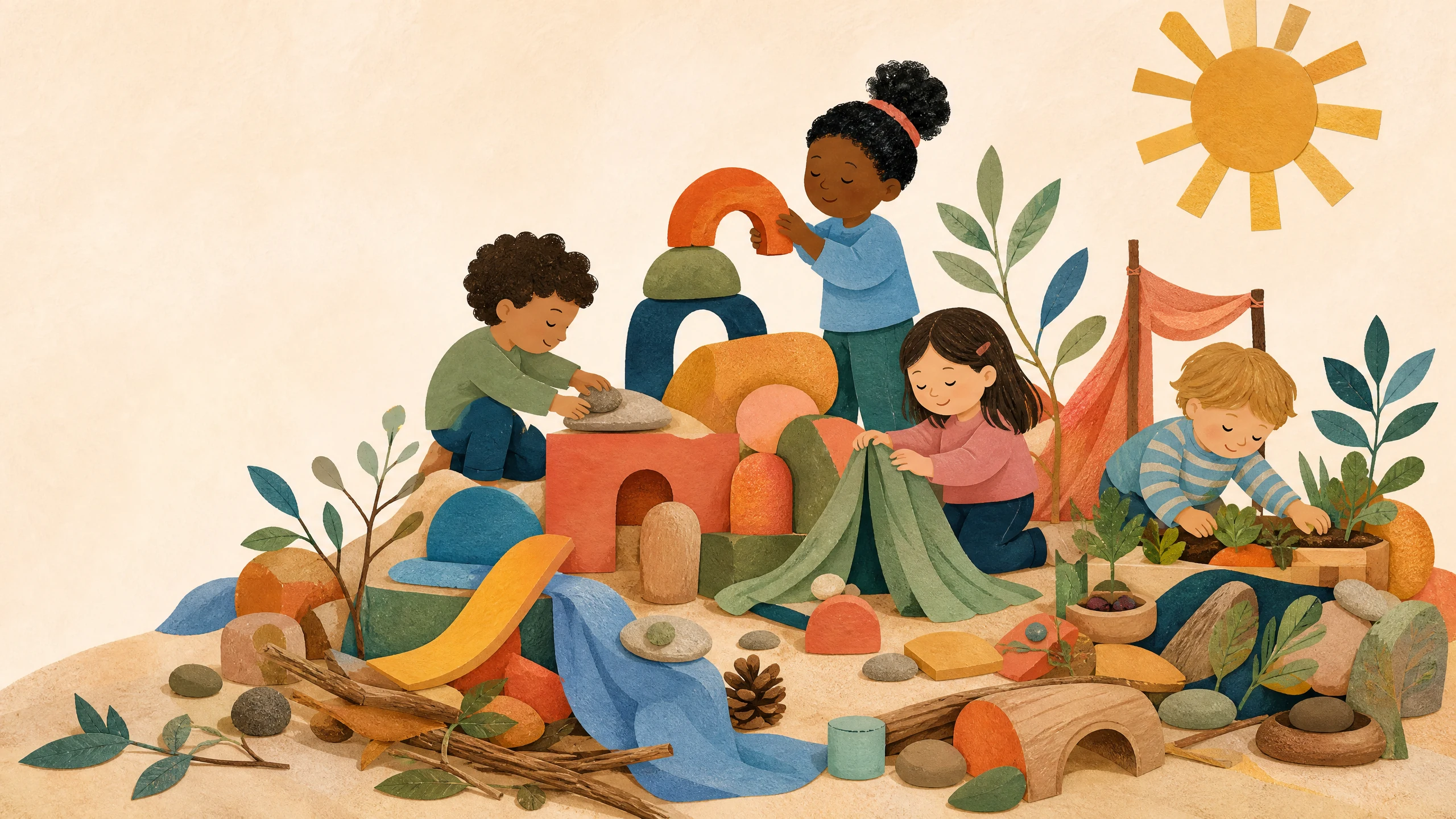
Three core principles
The Ecology of Play framework is built on observation, diversity and resilience.
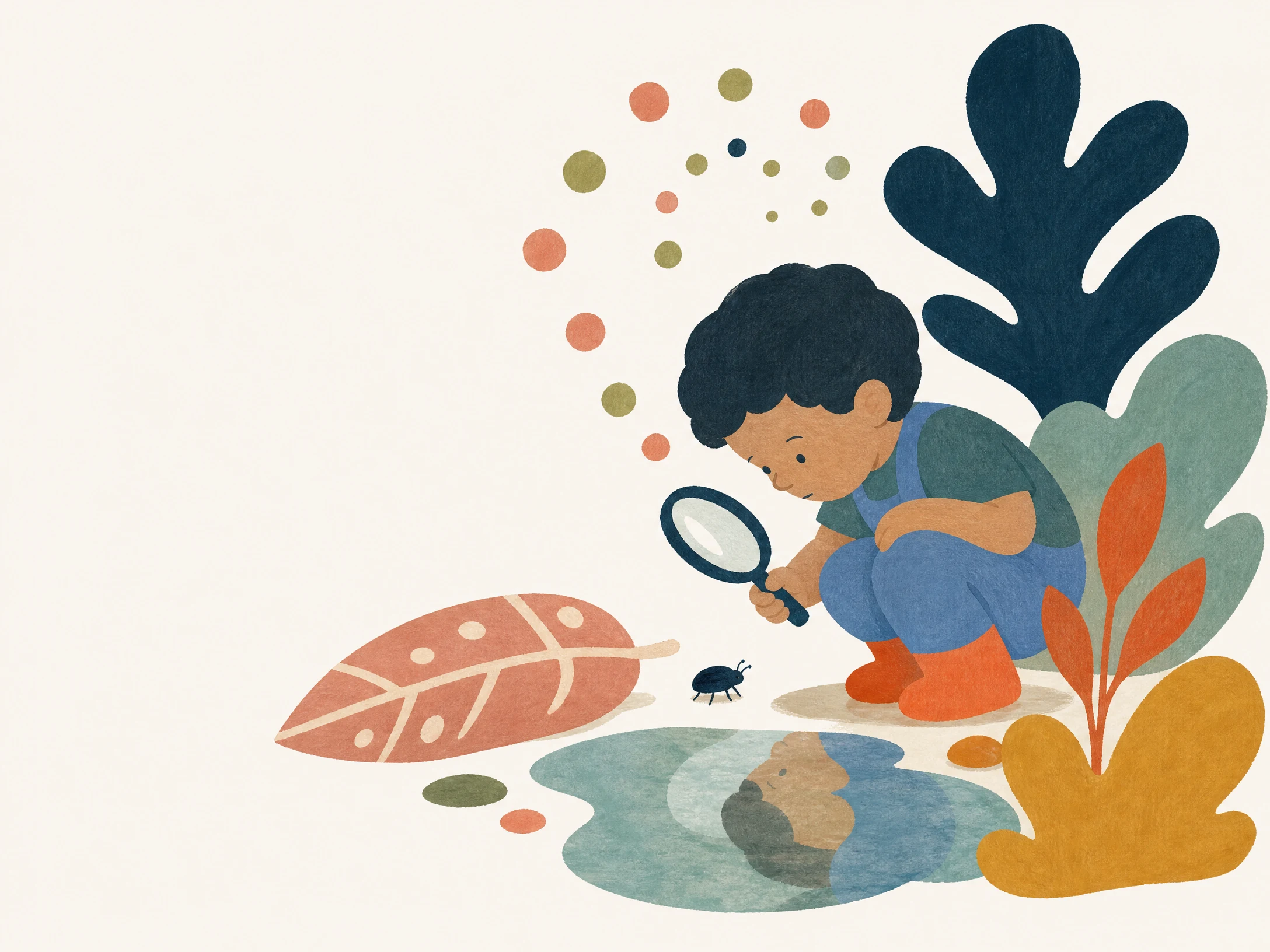
Observation
Noticing how the environment activates and supports a child’s inquiry.
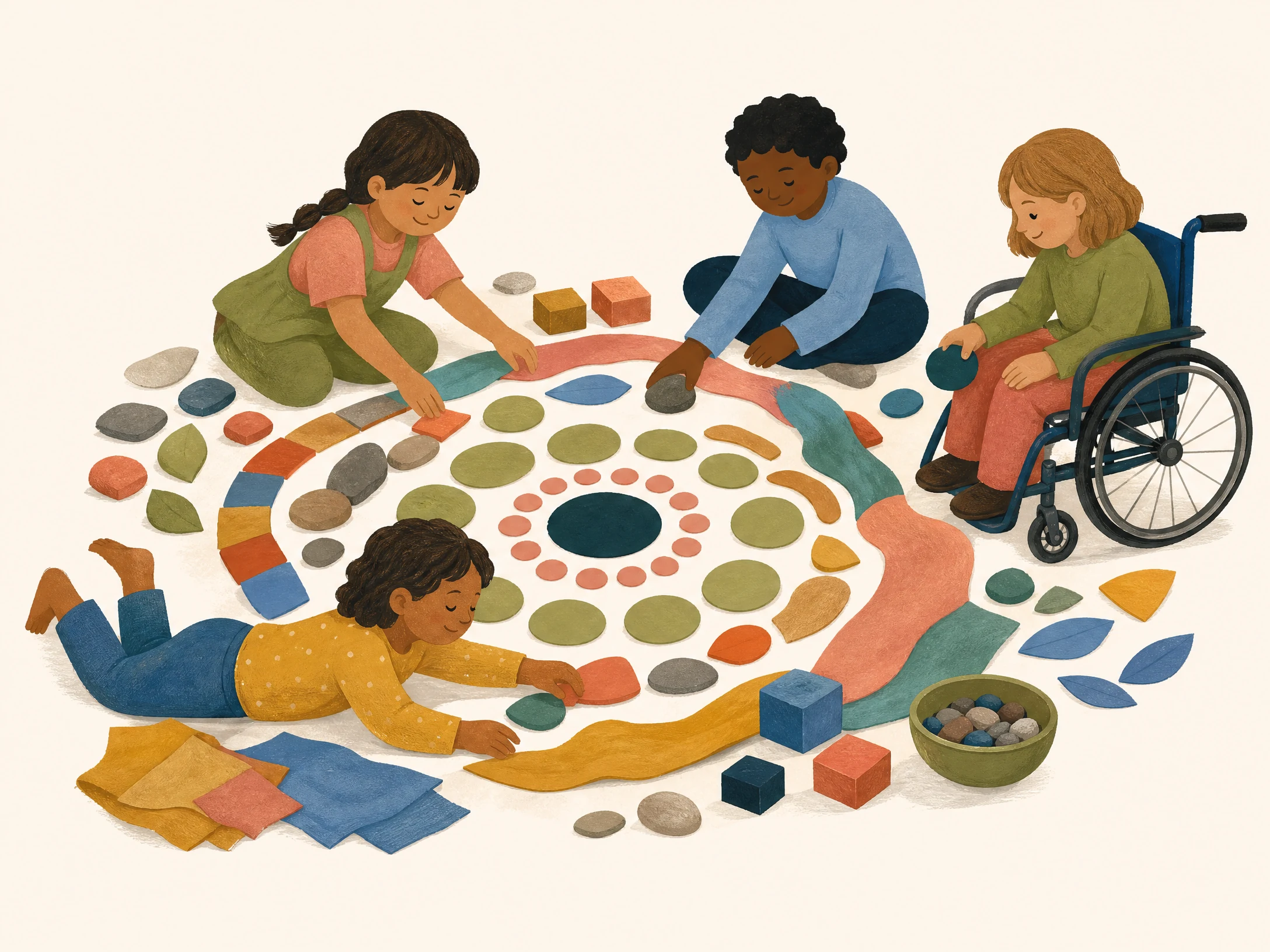
Diversity
Ensuring there’s something for every child, sparking creativity through inclusion.
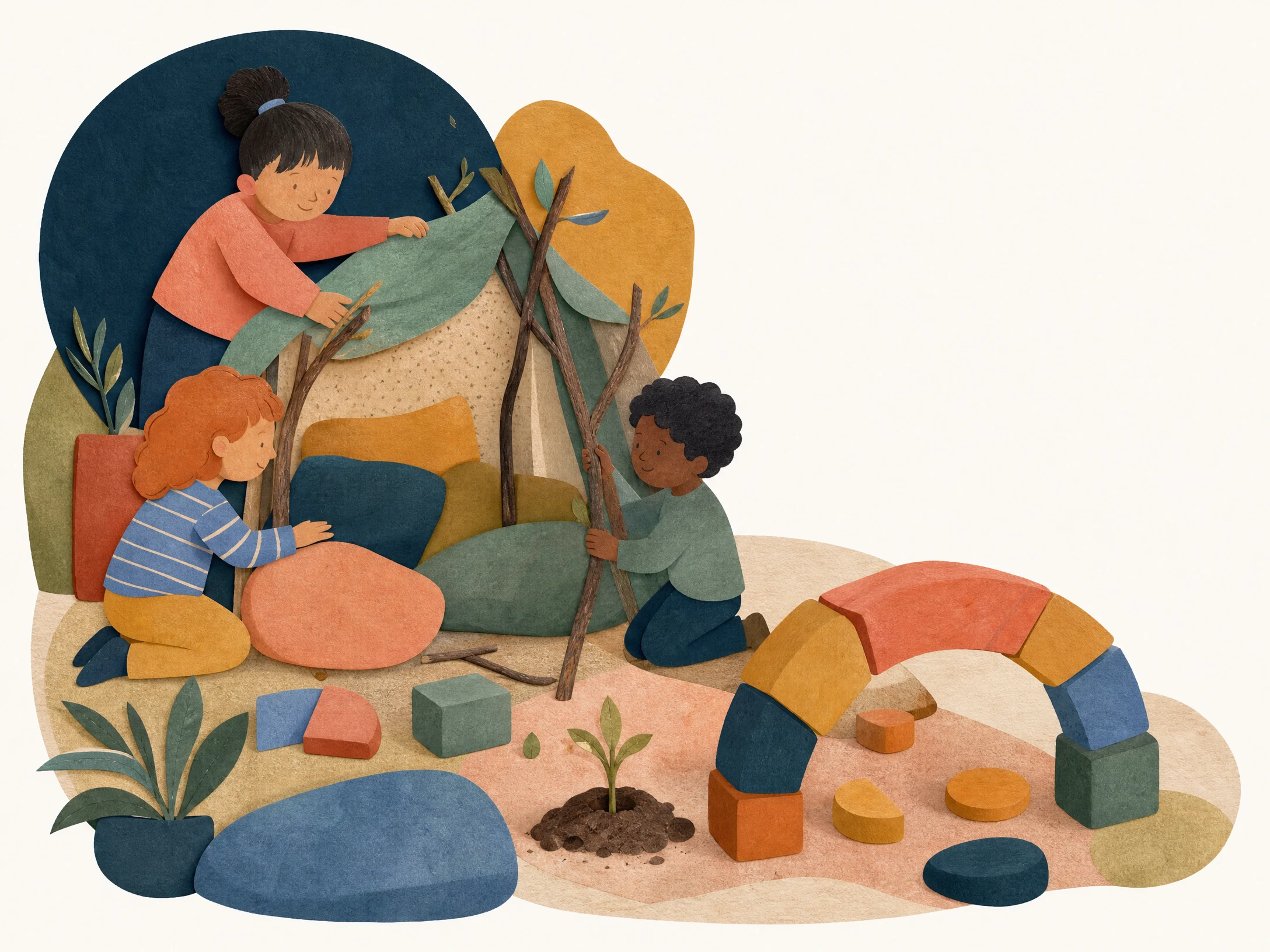
Resilience
Spaces that grow and adapt, just like the kids who play in them.
The ecology of play
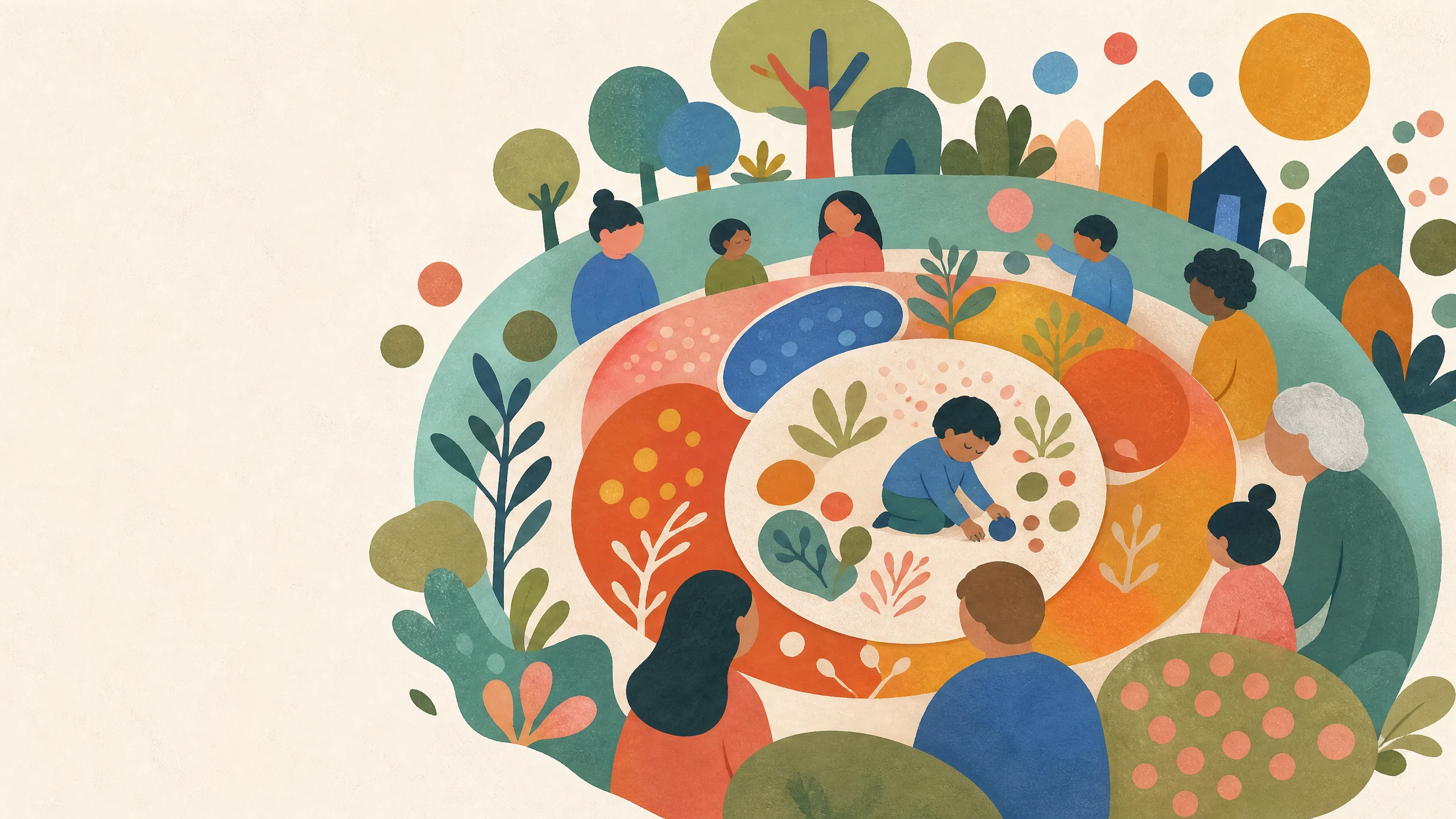
Ecology of Play looks at play through three interconnected systems.
-
The inner system. Focusing on each child’s unique growth.
-
The microsystem. Where daily interactions with the environment shape experiences.
-
The outer system. Connecting play to culture, community and big-picture values.
“What kids may have had in a whole forest, they’ve actually got in this small space.”
Frequently asked questions
What is Ecology of Play?
Ecology of Play is a framework for creating play spaces that empower children and celebrate their potential, with something for every child to grow with. It is built on three core principles: observation, diversity and resilience.
What are the three principles of Ecology of Play?
The three core principles of Ecology of Play are observation, diversity and resilience. Observation means noticing how the environment activates and supports a child’s inquiry; diversity ensures there’s something for every child; and resilience is about spaces that grow and adapt, just like the kids who play in them.
Who created Ecology of Play?
Ecology of Play was created by Lukas Ritson, an internationally recognised play advocate, TEDx speaker, and the founder of Wearthy. He developed the philosophy through more than 200 playground projects.
Because when play thrives, so do children
Get in touch to ask about training and speaking, or to learn more about the framework.
Play is more than just fun
It’s where children grow, explore and connect. Ecology of Play helps create spaces that empower children and celebrate their potential — with something for every child to grow with.
Because when play thrives, so do children
Get in touch to ask about training and speaking, or to learn more about the framework.
Three core principles
Observation
Noticing how the environment activates and supports a child’s inquiry.
Diversity
Ensuring there’s something for every child, sparking creativity through inclusion.
Resilience
Spaces that grow and adapt, just like the kids who play in them.
The ecology of play
Ecology of Play looks at play through three interconnected systems.
“What kids may have had in a whole forest, they’ve actually got in this small space.”
Frequently asked questions
What is Ecology of Play?
Ecology of Play is a framework for creating play spaces that empower children and celebrate their potential, with something for every child to grow with. It is built on three core principles: observation, diversity and resilience.
What are the three principles of Ecology of Play?
The three core principles of Ecology of Play are observation, diversity and resilience. Observation means noticing how the environment activates and supports a child’s inquiry; diversity ensures there’s something for every child; and resilience is about spaces that grow and adapt, just like the kids who play in them.
Who created Ecology of Play?
Ecology of Play was created by Lukas Ritson, an internationally recognised play advocate, TEDx speaker, and the founder of Wearthy. He developed the philosophy through more than 200 playground projects.