

Courses
The three pillars, as courses
Each pillar of the framework becomes its own course, the same three pillars from the Ecology of Play page, moving from concept into practical tool and lived outcome.
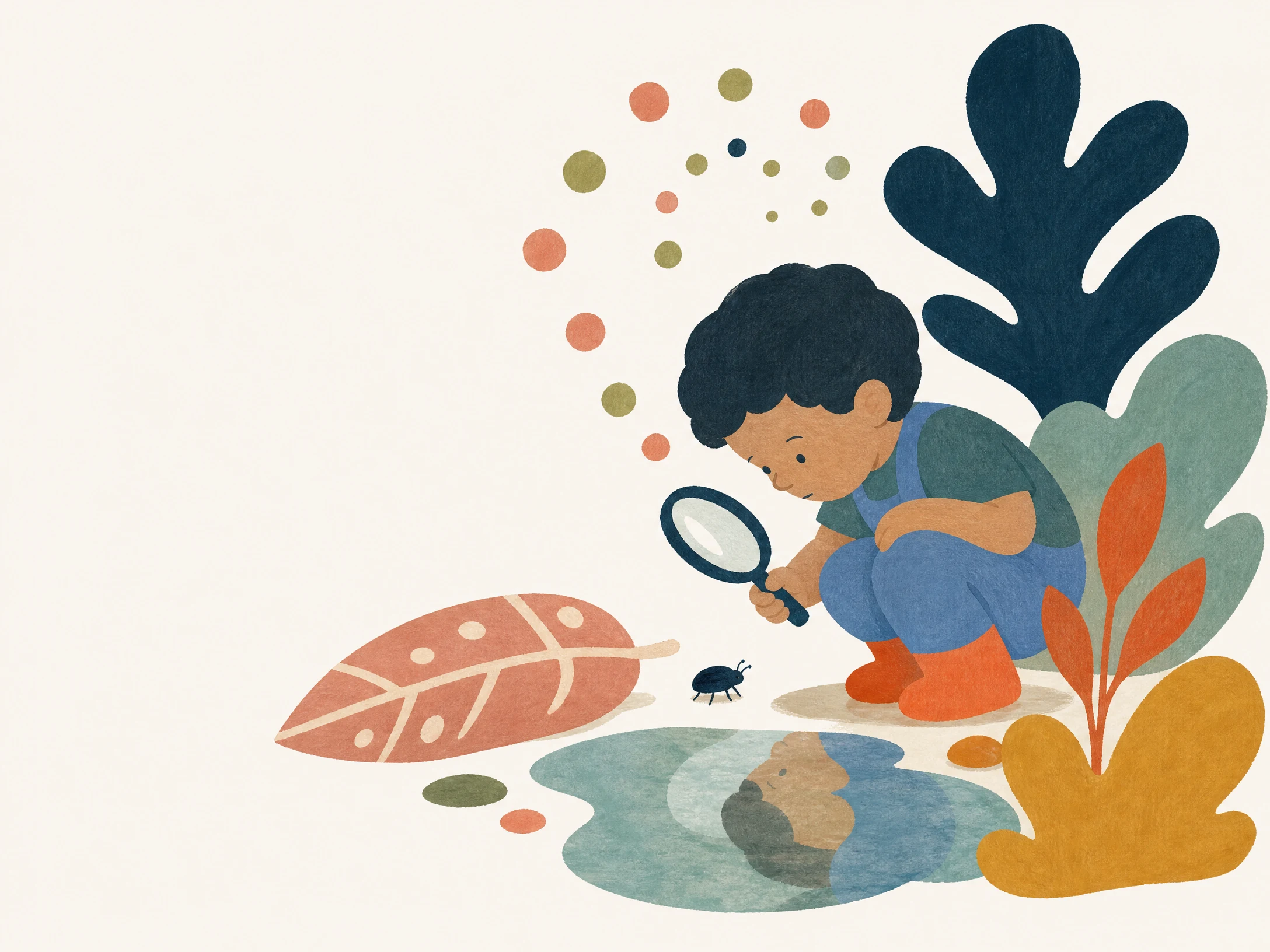
Observation
Before anything is redesigned, moved or added, there is observation: standing still long enough to notice what is already happening. This course teaches that practice itself, how to watch a space and read children’s interests, rhythms and relationships with place, using the framework’s own field tools, Play Opportunities, Ecological Influences and the five Play Ecotypes.
Practitioners who build this skill stop reacting to what a space seems to need and start responding to what the children in front of them are actually asking for. It shifts you from director to steward, from problem solver to listener, and that shift is where real trust, in the environment and in the children, begins to grow.
Diversity
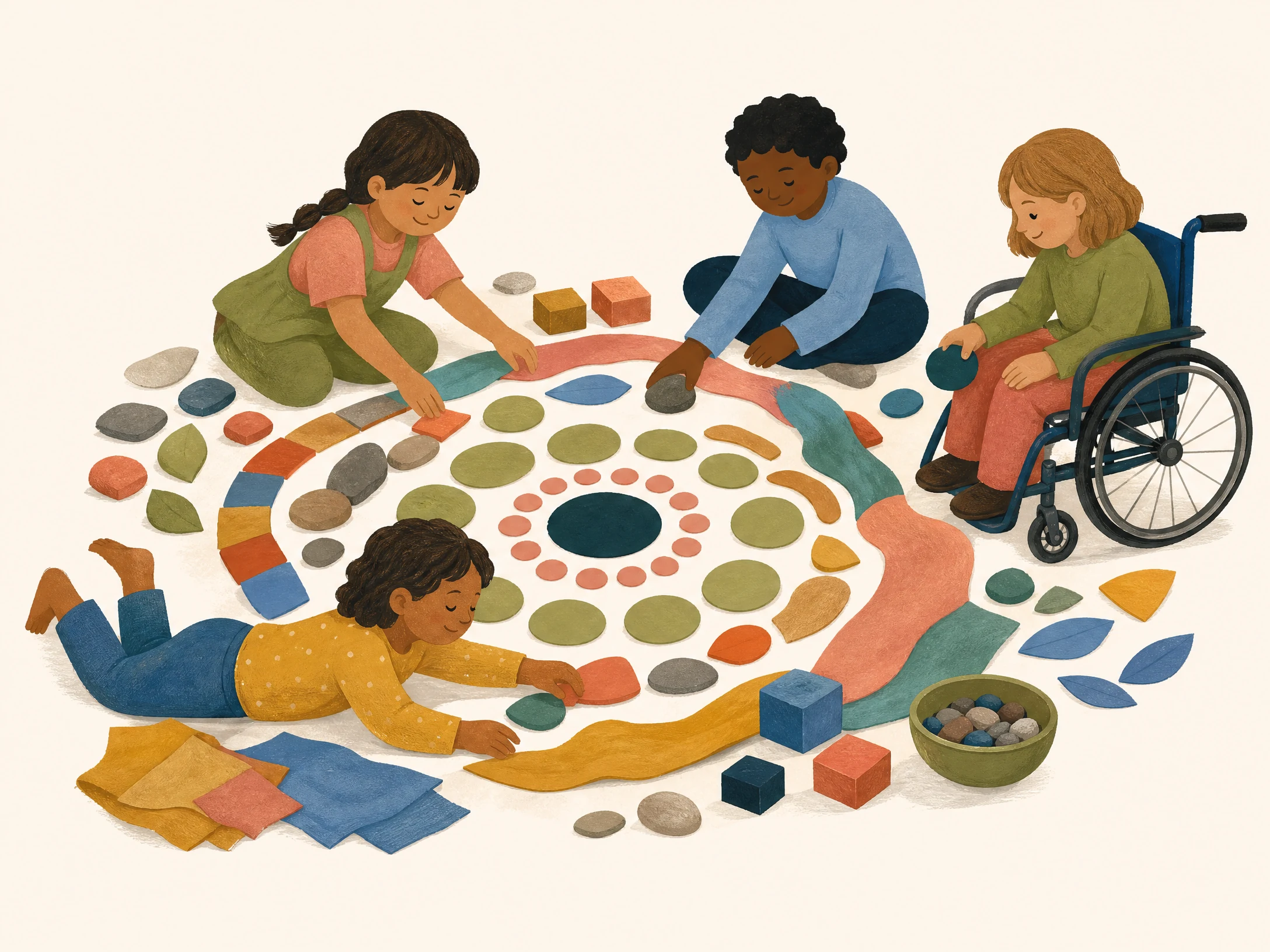
A healthy ecosystem runs on biodiversity, and a healthy play environment runs the same way: a wide range of ways to move, create, take risks and connect, across materials, textures, heights and challenge. This course works on building that range deliberately, so no child is left circling the edges of a space that was never built for them.
Get diversity right, and every child, whatever their interests, abilities or temperament, finds a way in. Fewer children standing at the edge. More children playing.
Resilience
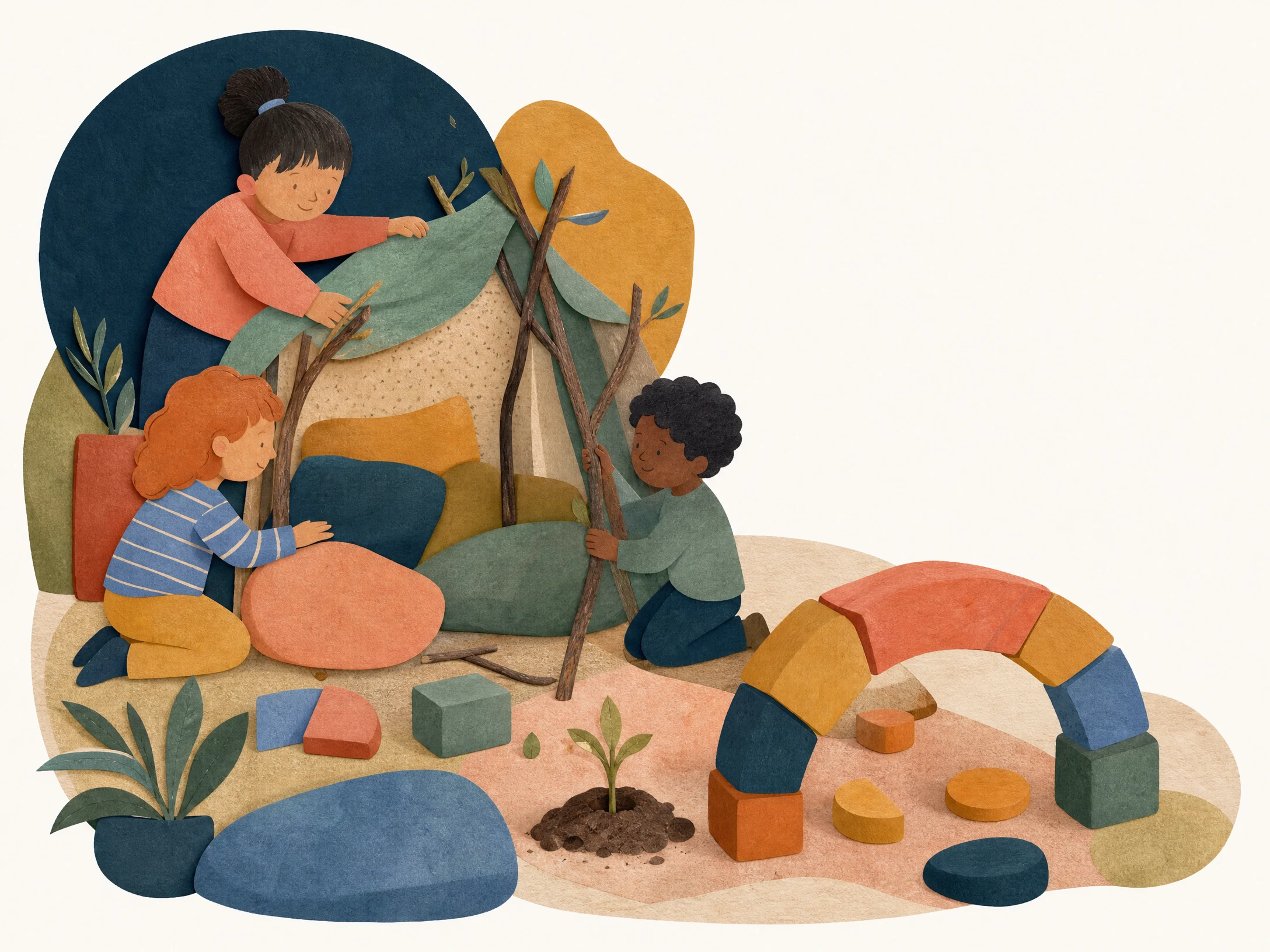
Resilience grows out of calculated risk, real challenge that a child works through rather than around. This course works with that directly: how to design environments where children meet genuine challenge, test their own boundaries, and find their own version of mastery, the skill or interest that makes them feel truly capable.
A child who has struggled and come through it moves toward the next challenge instead of away from it, because their own proven competence has already taught them they can. That is what focusing on resilience gives a child: confidence built on a track record of having already met hard things and come through them.
Interested in the courses?
Send an enquiry and Lukas will come back to you personally.